Essential Warm-Up Routines for Dancers
Proper warm-up is crucial for injury prevention and peak performance. Learn the best stretching and conditioning exercises for dancers.
Read moreExpert tips and insights for dancers and creators
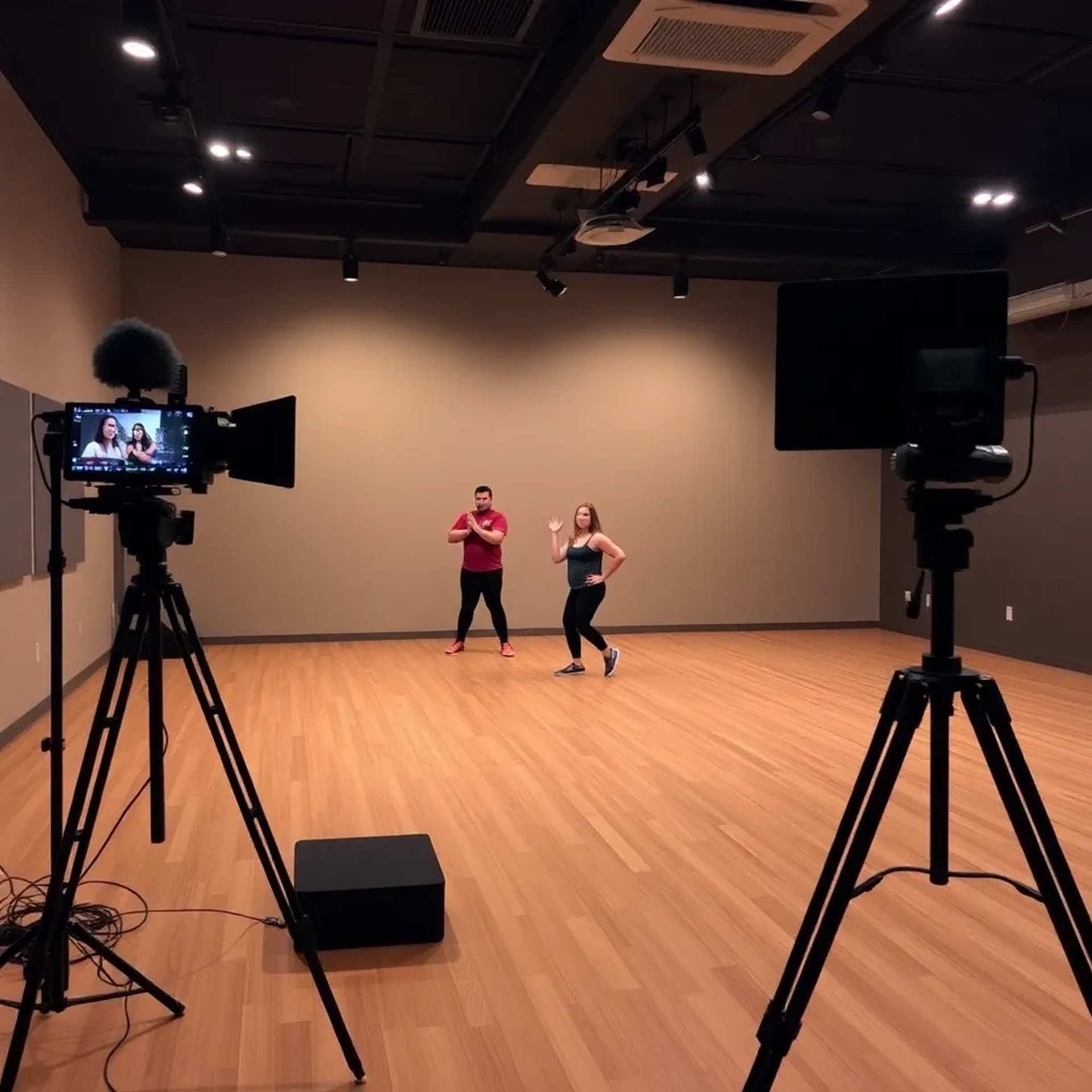
Proper warm-up is crucial for injury prevention and peak performance. Learn the best stretching and conditioning exercises for dancers.
Read more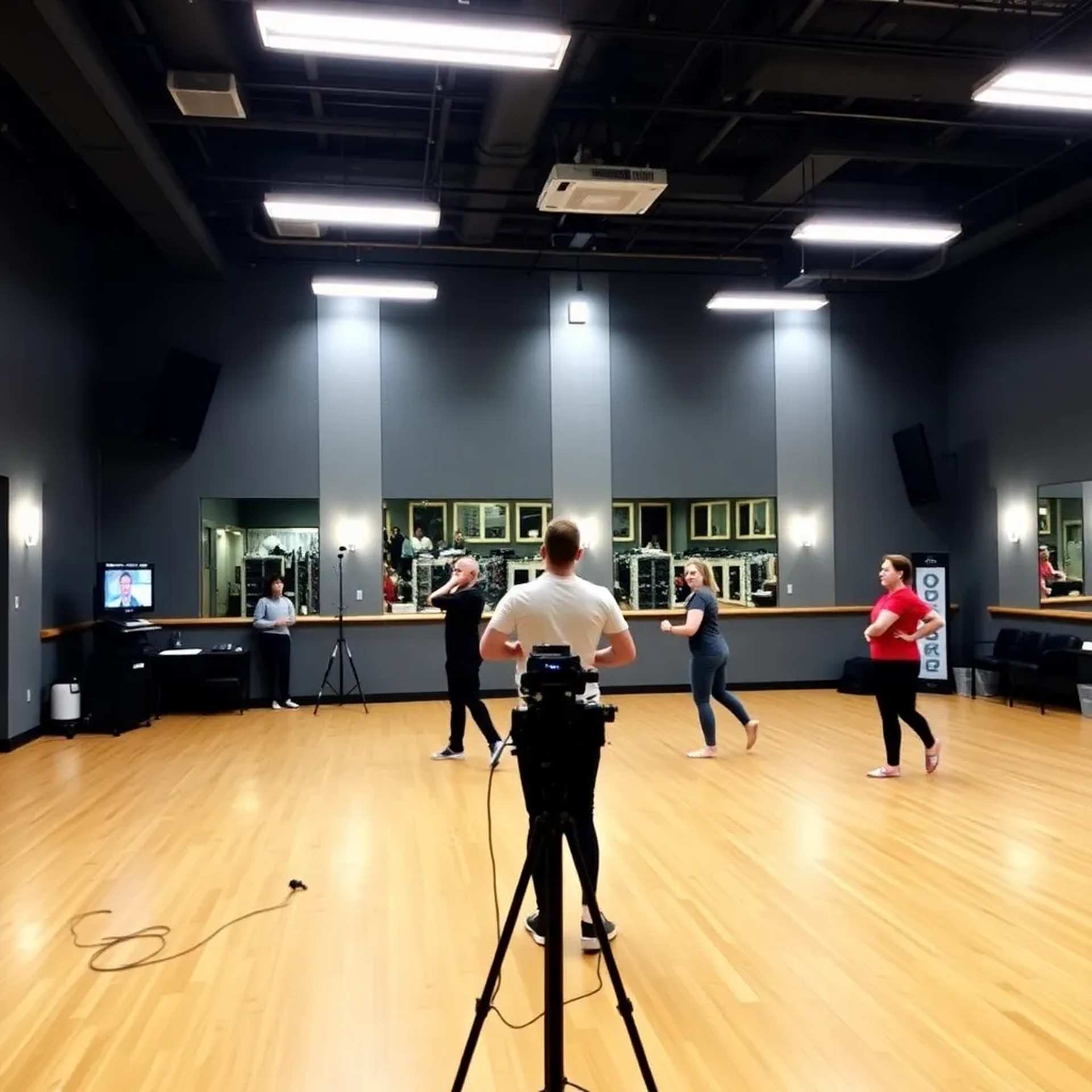
Camera angles, lighting, and positioning can make or break your dance video. Discover professional tips for recording dance performances.
Read more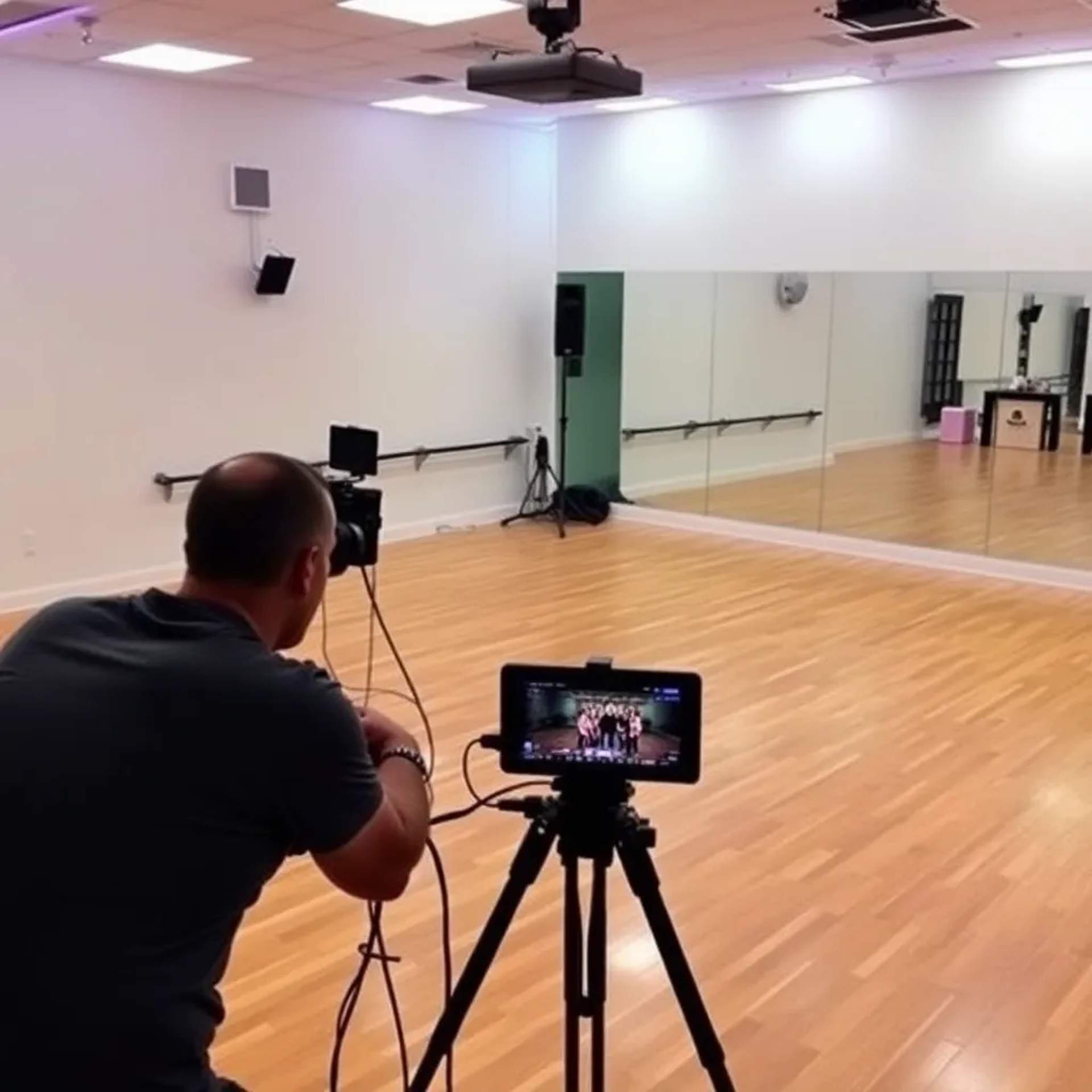
Maximize your studio time and respect fellow dancers with these essential etiquette guidelines for rehearsal spaces.
Read more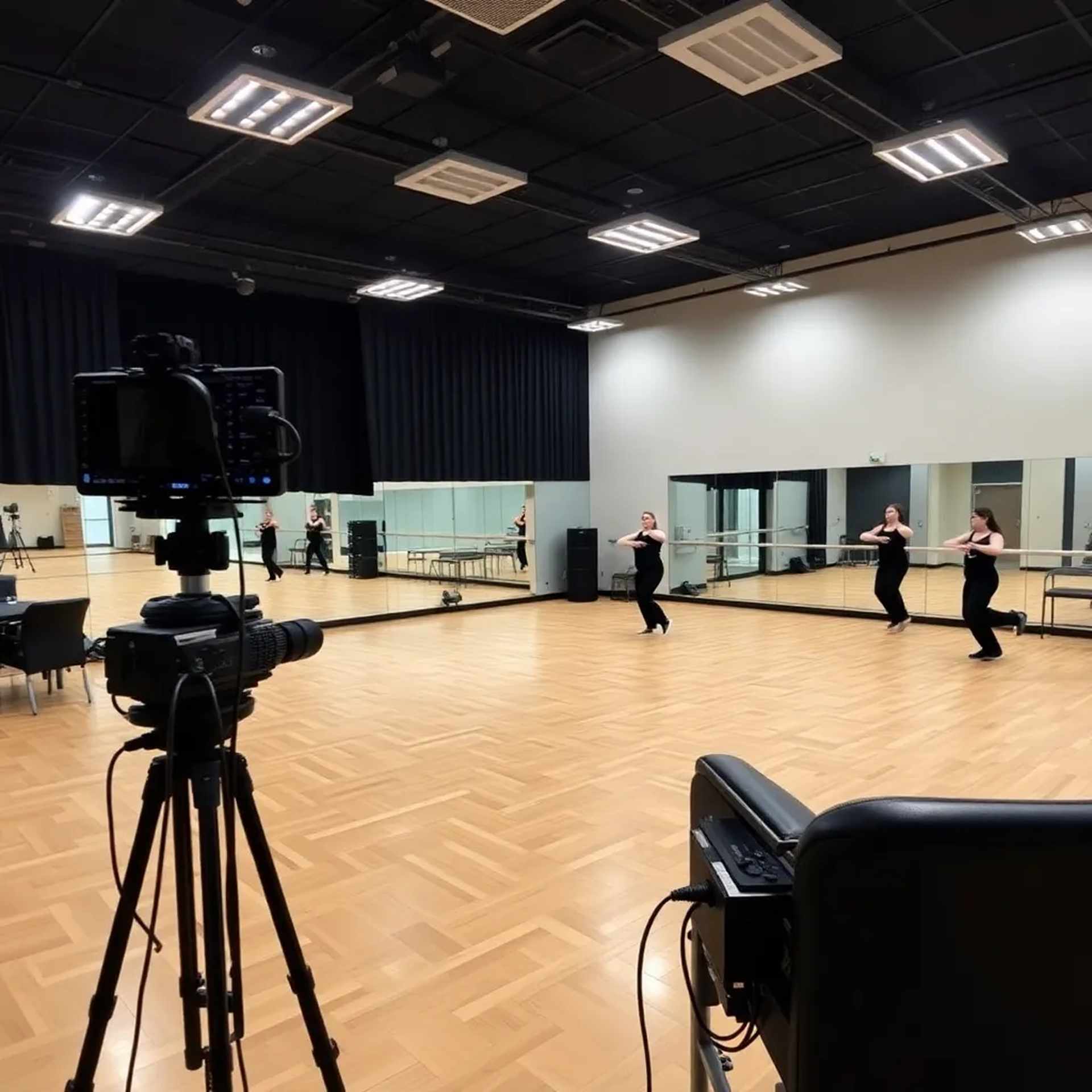
Turn your passion into a career by leveraging Instagram, TikTok, and YouTube. Learn content strategies that work for dancers.
Read more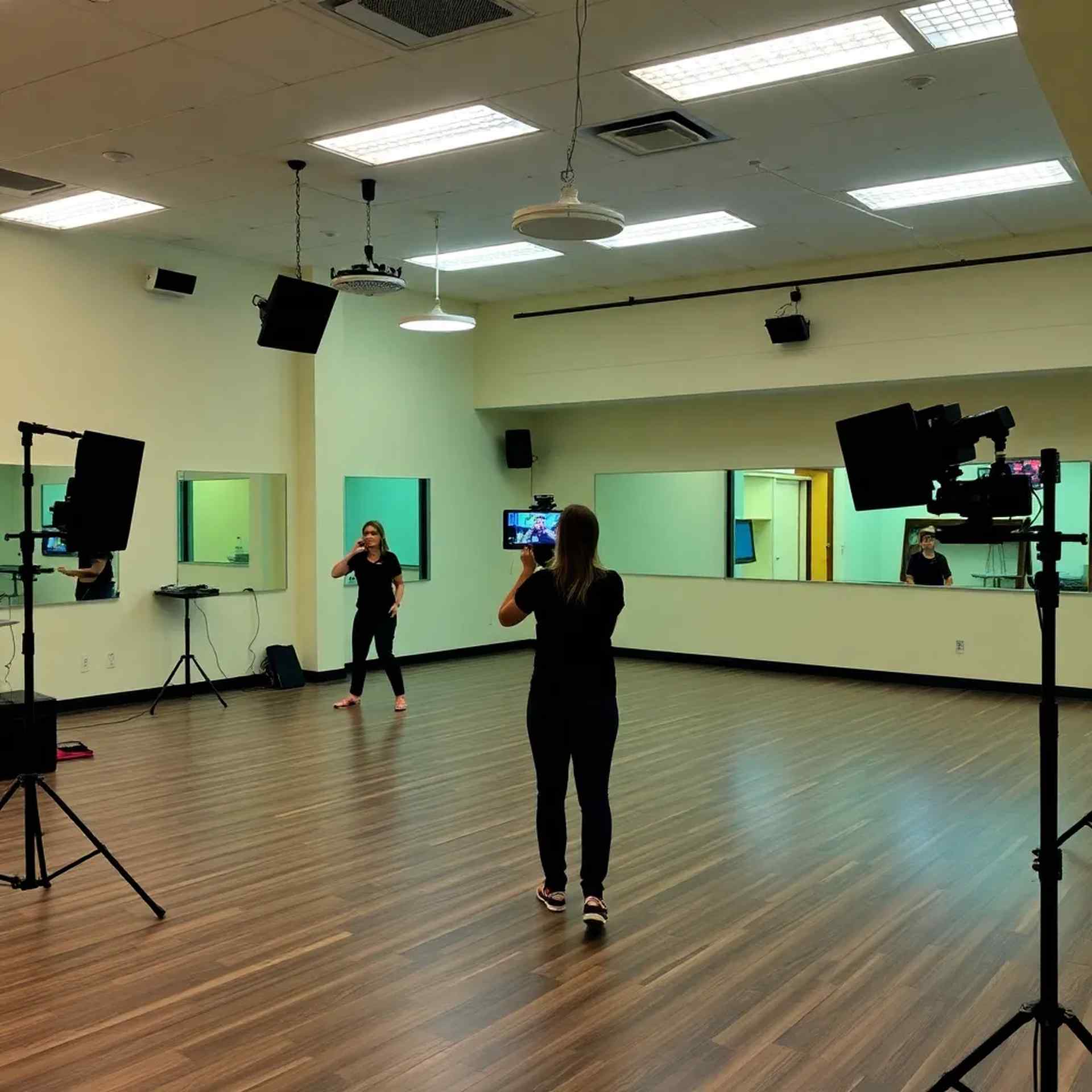
Common dance injuries and how to prevent them. Expert advice on maintaining physical health throughout your dance career.
Read more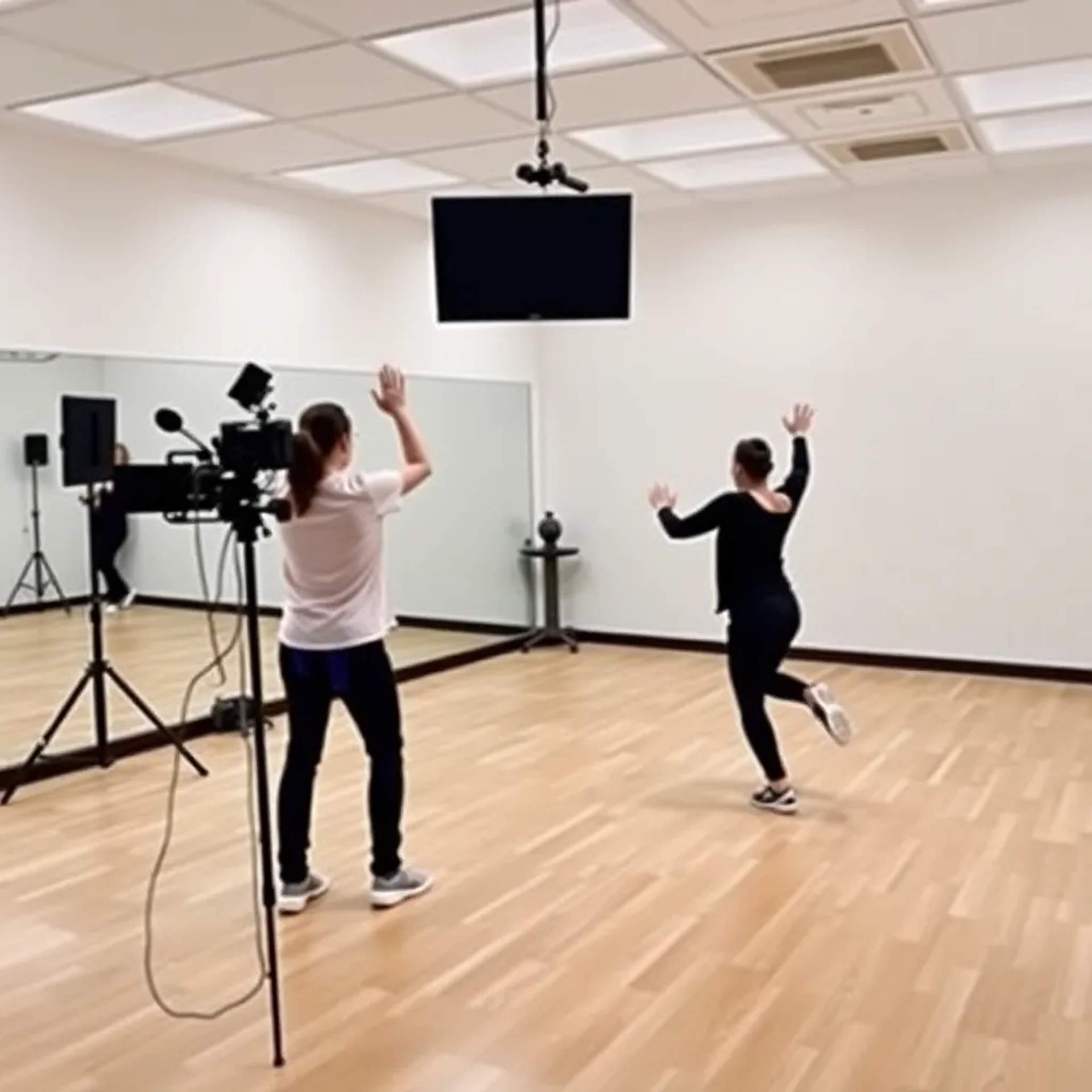
Learn essential editing techniques to make your dance videos stand out. Software recommendations and workflow tips included.
Read more
Every professional dancer knows that a proper warm-up is the foundation of a successful practice session or performance. Yet, many dancers rush through this crucial phase or skip it entirely, increasing their risk of injury and limiting their performance potential.
A comprehensive warm-up routine prepares your body for the physical demands of dance by gradually increasing your heart rate, improving blood flow to muscles, and enhancing joint mobility. This process reduces the risk of strains, sprains, and other common dance injuries.
Remember, your warm-up should be tailored to the specific demands of your dance style and the intensity of your upcoming session. Listen to your body and adjust accordingly.
Recording your dance performances is essential for building your portfolio, sharing on social media, and analyzing your technique. However, many dancers struggle to translate their live performance energy to video.
The angle from which you're filmed can dramatically affect how your movements appear on camera. For most dance styles, a slight elevation (camera positioned at chest height) provides the most flattering perspective. Side angles showcase lines and extensions, while front-facing captures facial expressions and symmetry.
Proper lighting is crucial for professional-looking dance videos. Three-point lighting (key light, fill light, and back light) creates depth and dimension. Avoid harsh overhead lighting that creates unflattering shadows. Natural light can be beautiful but inconsistent.
Dancing for camera requires slightly different energy than live performance. Movements should be crisp and intentional, with clear beginning and ending positions. Facial expressions need to be slightly more pronounced, and you should be aware of your spatial relationship to the camera frame.
Sharing studio space with other dancers requires mutual respect and awareness. Following proper etiquette ensures everyone can make the most of their practice time.
Respect the space and time of others. If sharing the studio, communicate about music volume, space usage, and break times. Clean up any personal items and wipe down equipment after use. Be mindful of your spatial awareness, especially in crowded sessions.
In group settings, more experienced dancers should position themselves toward the back or sides, leaving front mirror space for those who need it most. Avoid standing directly in front of someone unless necessary.
Social media has revolutionized how dancers build their careers and connect with audiences worldwide. Here's how to leverage these platforms effectively.
Consistency is key. Post regularly (3-5 times per week minimum) and maintain a cohesive aesthetic. Mix performance videos with behind-the-scenes content, tutorials, and personal moments that showcase your personality.
Respond to comments, collaborate with other dancers, use relevant hashtags, and engage with your community. Authenticity attracts followers more than perfection.
Dance is physically demanding, and injuries can sideline even the most talented performers. Understanding common injuries and prevention strategies is essential for longevity in dance.
Cross-training strengthens supporting muscles and reduces overuse. Include Pilates, yoga, or swimming in your routine. Adequate rest between intense sessions allows for recovery. Never push through sharp pain.
If injury occurs, seek professional medical advice immediately. Follow prescribed rehabilitation protocols completely, even after pain subsides. Rushing back to full intensity often leads to re-injury.
Basic editing skills can elevate your dance videos from amateur to professional. You don't need expensive software to create compelling content.
Start with simple cuts on the beat. Music drives dance videos, so sync your cuts to the rhythm. Use color correction to ensure consistent lighting throughout. Add subtle transitions, but avoid overusing effects.
For social media: 1080p at 30fps is standard. Instagram and TikTok prefer vertical (9:16) format, while YouTube works best with horizontal (16:9). Always export in H.264 codec for maximum compatibility.